


Built on Shared Experience. Led by Female Advocates
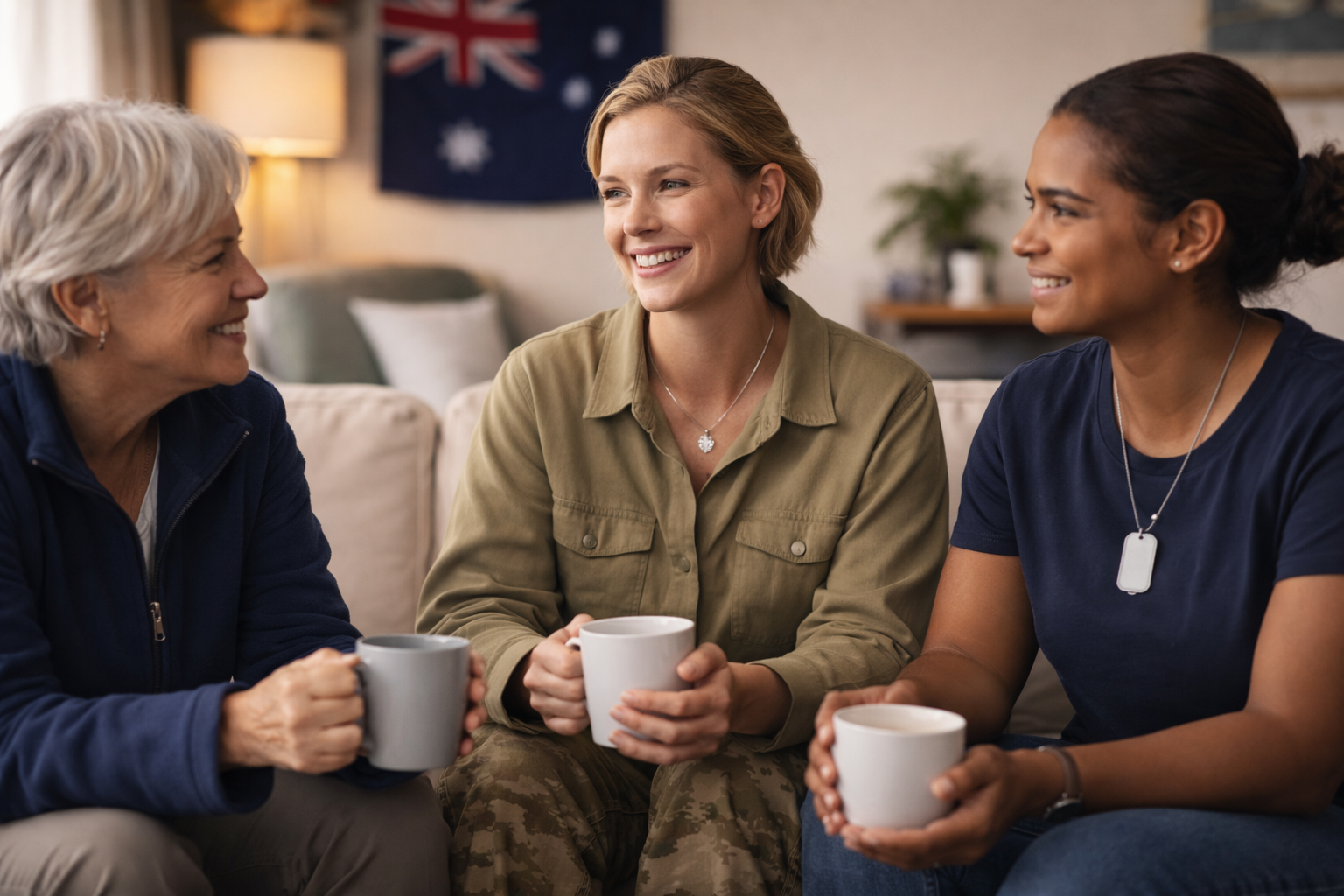
At Valour, your voice is heard by someone who gets it. Our dedicated female Veteran Support Officers are not just advisors—they are advocates who have walked a similar path.
They provide a trusted space to be heard, cut through the complexity of DVA claims, and fight for the outcome you deserve. Because understanding your service shouldn’t require an explanation.
What We Can Help With
Explaining DVA pathways in clear, respectful language
So you understand your options without being spoken down to or expected to already “know the system”.Supporting you to organise medical evidence at your pace
Including help navigating appointments and reports, with sensitivity to privacy and personal boundaries.Preparing supporting statements in a safe, considered way
With care taken around how service experiences and health impacts are documented, particularly where issues are personal or sensitive.Guiding lodgement and next steps with discretion
Ensuring you know what happens after submission, without unnecessary exposure or pressure.Compassionate preparation for reviews or appeals, if needed
With an understanding of the unique challenges women may face when revisiting service-related experiences.

What Is a Female Support Officer?
At Valour Consultants, our Female Support Officers are experienced advocates dedicated to assisting women who have served in the Australian Defence Force (ADF) with Department of Veterans’ Affairs (DVA) claims, reviews, and support services.
Female Support Officers provide a trusted space where you can speak openly, be understood without explanation, and receive guidance tailored to issues commonly experienced by women veterans.
Why Female-Specific Support Matters

Women who have served face unique challenges when dealing with DVA claims and support pathways. These can include reproductive and gender-specific health issues, mental health impacts, and experiences that may not be fully recognised in standard claims frameworks. Providing gender-aware advocacy improves understanding, access to benefits, and outcomes for women veterans.
There is growing recognition that women veterans experience different patterns of injury, illness, and service-related health impacts, making tailored support essential to navigating the system effectively.